Food as the Foundation of Health
Across cultures and generations, food has been more than fuel—it has been medicine. In traditions such as Ayurveda and Traditional Chinese Medicine, dietary choices were carefully tailored to support balance, vitality, and longevity. Long before modern nutrition science emerged, healers understood that what we eat directly shapes how we feel, think, and function.
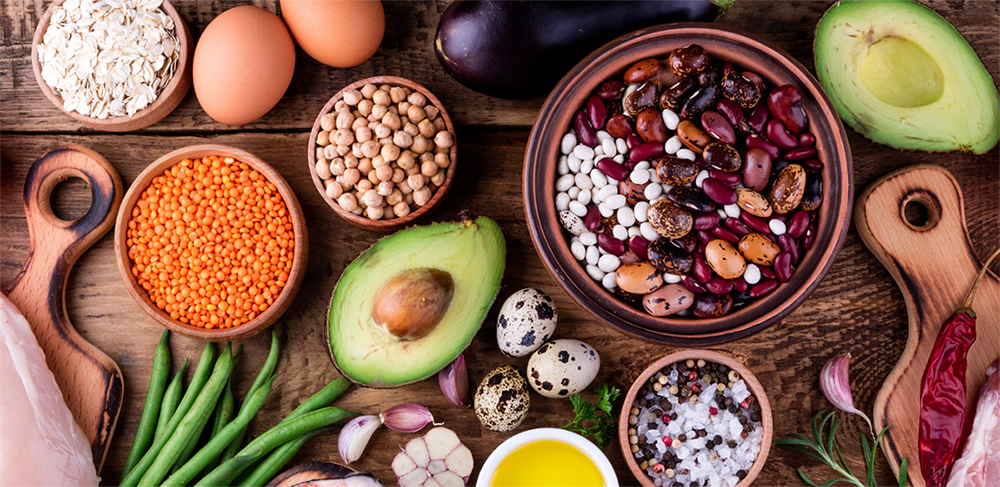
Today, research confirms this ancient wisdom. Whole, nutrient-dense foods provide vitamins, minerals, fiber, antioxidants, and phytonutrients that work together synergistically. Unlike highly processed products stripped of their natural complexity, real food delivers a matrix of compounds that support digestion, immune health, hormone balance, and cellular repair. When you build your meals around whole foods, you create a powerful foundation for long-term wellness.
The Food–Mood–Energy Connection
The connection between diet and well-being goes far beyond weight management. Blood sugar balance, gut health, and inflammation levels all influence mood, focus, and energy. Diets high in refined sugars and ultra-processed ingredients can lead to spikes and crashes that affect concentration and emotional stability. In contrast, meals rich in vegetables, healthy fats, quality proteins, and whole grains provide steady energy and sustained mental clarity.

Emerging science around the gut-brain axis highlights how closely digestive health is tied to mental health. A diverse, fiber-rich diet supports beneficial gut bacteria, which in turn influence neurotransmitter production and immune function. Simply put, nourishing your body with real food can enhance not only physical resilience but also emotional balance and cognitive performance.
Why Real Food Beats Synthetic Supplements
While supplements can play a supportive role in certain cases, they are not a substitute for a wholesome diet. Nutrients in whole foods are packaged with cofactors that improve absorption and effectiveness. For example, fat-soluble vitamins require healthy fats for optimal uptake—something nature already accounts for in foods like nuts, seeds, and avocados.
Synthetic supplements often isolate a single nutrient, missing the broader nutritional synergy found in natural foods. Additionally, over-reliance on pills can create a false sense of security, overlooking the importance of dietary patterns. A colorful plate filled with minimally processed ingredients offers thousands of beneficial compounds that no capsule can fully replicate. In most cases, prioritizing whole foods provides a more balanced, sustainable, and cost-effective path to health.
Key Takeaways
- Whole, nutrient-dense foods provide synergistic nutrients that support overall health.
- What you eat directly impacts your energy, mood, immune function, and long-term wellness.
- A balanced, fiber-rich diet supports gut health and mental clarity.
- Supplements may help in specific cases, but they cannot replace the complexity and benefits of real food.
Conclusion
Nutrition truly is one of the most powerful forms of medicine available to us every day. By choosing whole, minimally processed foods, you nourish your body at the deepest level—supporting stable energy, emotional balance, and lasting vitality. While supplements have their place, real food remains the most complete and effective tool for building resilient health from the inside out.
Related Articles

The Power of Herbal Medicine
Explore the ancient wisdom of herbal remedies and how they can support your body's natural healing processes. From turmeric to ginger, discover the science behind nature's pharmacy. Learn how traditional herbal medicine is being validated by modern research.

Mindfulness and Natural Healing
Discover how meditation, breathwork, and mindfulness practices activate your body's innate healing mechanisms. Learn why stress reduction is fundamental to true wellness and how to incorporate these practices into your daily life.