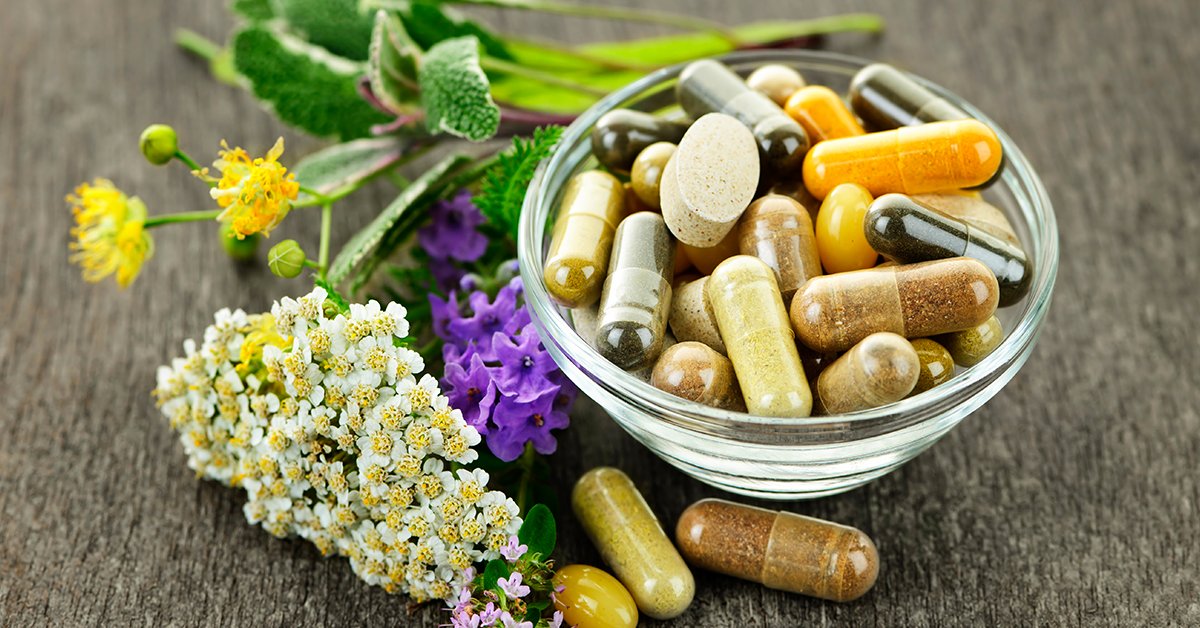
Ancient Wisdom Meets Modern Science
For thousands of years, civilizations across China, India, Egypt, and Greece have relied on plants as primary sources of healing. Systems like Traditional Chinese Medicine and Ayurveda developed sophisticated approaches to diagnosing imbalance and restoring harmony using herbs, roots, barks, and flowers. Long before synthetic pharmaceuticals, healers understood that nature provided complex plant compounds capable of supporting the body’s innate ability to recover and thrive.
Modern research is increasingly validating what ancient practitioners observed. Scientists now study phytochemicals—naturally occurring plant compounds—for their antioxidant, anti-inflammatory, antimicrobial, and immune-supporting properties. Rather than targeting a single symptom, many herbs work synergistically within the body, gently supporting multiple systems at once. This holistic action is one reason herbal medicine continues to gain popularity in integrative health practices today.
Nature’s Pharmacy: Turmeric, Ginger, and Beyond
Two of the most celebrated herbs in natural medicine are Turmeric and Ginger. Turmeric contains curcumin, a powerful compound known for its anti-inflammatory and antioxidant properties. Research suggests it may support joint health, digestive balance, and overall immune function. Ginger, widely used for centuries, is well-known for easing nausea, supporting digestion, and promoting circulation. Its warming qualities make it a staple in both culinary and medicinal traditions.
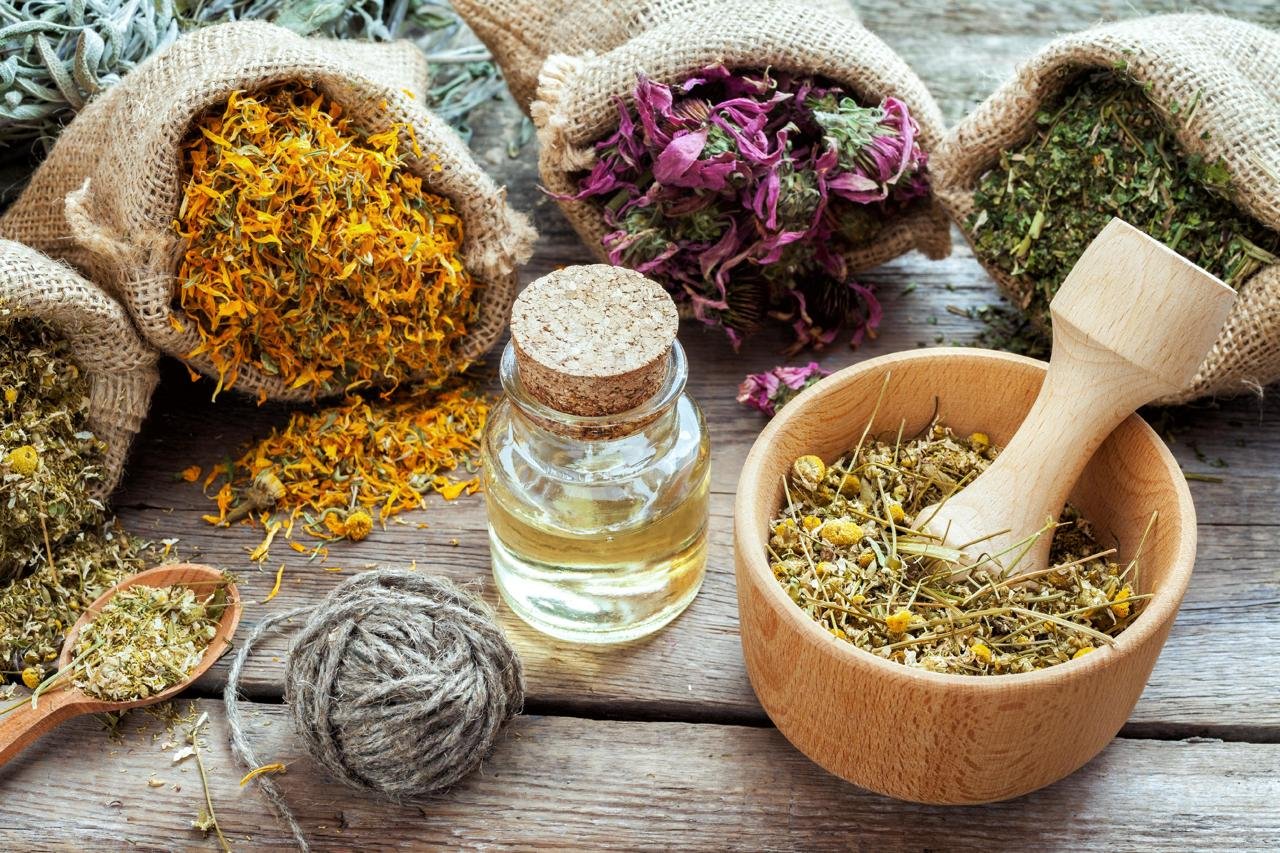
Beyond these two, herbs like garlic, chamomile, peppermint, and echinacea offer diverse benefits—from calming the nervous system to supporting respiratory health. What makes herbal medicine particularly compelling is the synergy within each plant. Unlike isolated synthetic compounds, whole herbs contain a spectrum of bioactive constituents that often enhance one another’s effectiveness while reducing harsh side effects.
Supporting the Body’s Natural Healing Processes
Herbal medicine is not about quick fixes—it’s about supporting the body’s natural intelligence. Many herbs act as adaptogens, helping the body respond more effectively to stress, balance hormones, and maintain equilibrium. Others gently stimulate detoxification pathways, support liver function, or enhance immune resilience. Rather than overriding bodily processes, herbal remedies often work in partnership with them.
However, “natural” does not automatically mean “risk-free.” Proper dosing, quality sourcing, and professional guidance are essential. As interest in herbal medicine grows, so does the importance of evidence-based use and responsible integration with conventional care. When used thoughtfully, herbs can become powerful allies in long-term wellness and preventive health.
Key Takeaways
- Herbal medicine has roots in ancient healing systems that span multiple cultures and centuries.
- Modern science increasingly supports the therapeutic potential of plant-based compounds.
- Herbs like turmeric and ginger offer anti-inflammatory, digestive, and immune-supporting benefits.
- Safe and effective use of herbal remedies requires proper knowledge, quality sourcing, and mindful integration with conventional medicine.
Conclusion
The power of herbal medicine lies in its ability to bridge ancient wisdom with modern scientific understanding. From turmeric’s vibrant golden root to ginger’s warming spice, nature offers a rich pharmacy designed to support the body’s own healing capacity. By approaching herbal remedies with respect, knowledge, and balance, we can harness their potential as part of a holistic and sustainable path toward better health.
Related Articles

Nutrition as Medicine
Learn how whole, nutrient-dense foods can be your most powerful medicine. Discover the connection between what you eat and how you feel, and why real food beats synthetic supplements. Explore the principles of nutritional healing.

Mindfulness and Natural Healing
Discover how meditation, breathwork, and mindfulness practices activate your body's innate healing mechanisms. Learn why stress reduction is fundamental to true wellness and how to incorporate these practices into your daily life.